Compare emergency plumbing
Compare emergency plumbing
Blog Article
Vital Piping Services: Why You Should Get a Professional Today
In any home, plumbing issues can occur suddenly, causing major disruptions. Difficulties involving stopped-up drains or dripping pipes typically necessitate more than homemade repairs. Contacting a skilled plumber not only handles urgent matters but also creates the foundation for regular upkeep. Learning about the important services accessible can equip homeowners to decide effectively. The concern persists: what are the critical plumbing services that every homeowner should understand?
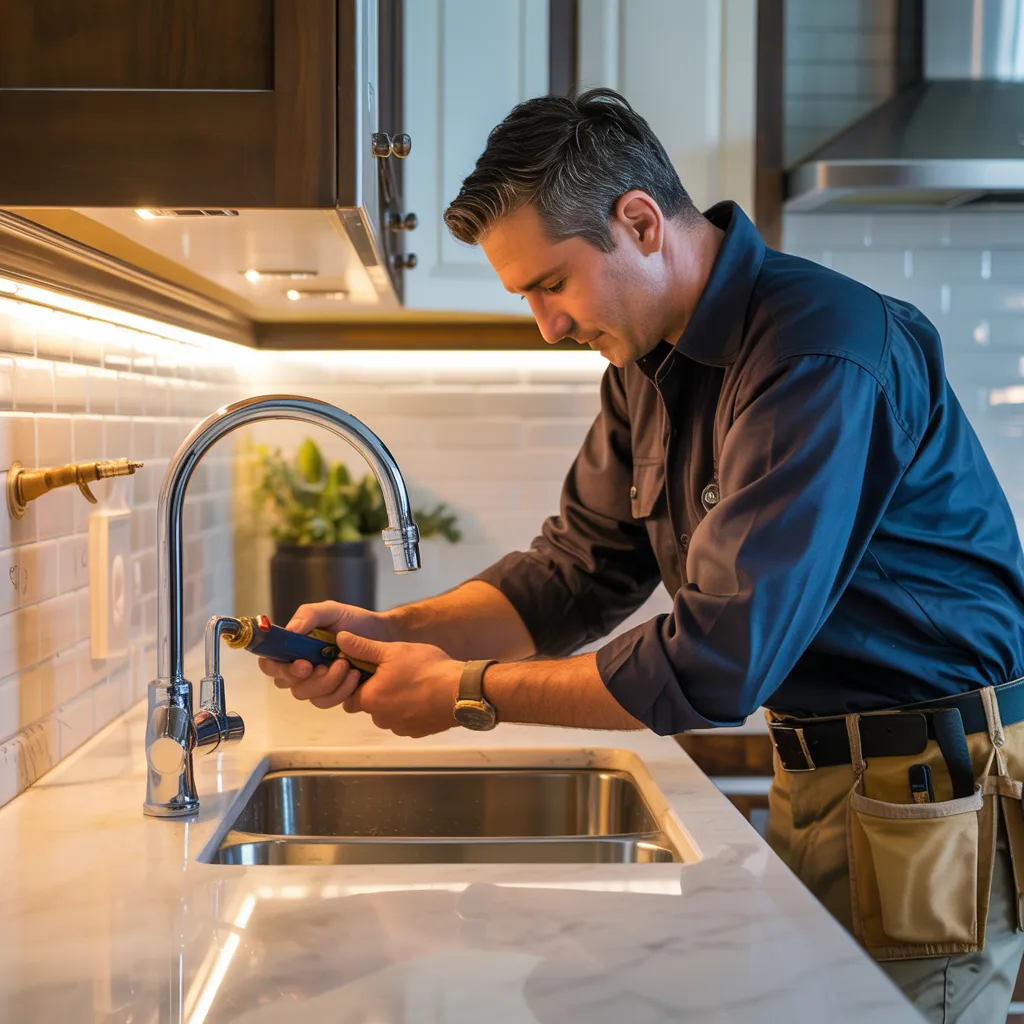
Common Plumbing Problems and Solutions to Fix Them
If property owners experience plumbing issues, they typically face common problems that require prompt attention. Clogged drains are one of the most frequent concerns, often caused by the buildup of grease, hair, and debris.
Homeowners may momentarily relieve this by utilizing a plunger or a drain snake, but persistent clogs typically necessitate professional support.
Leaky faucets constitute another common problem, leading to water wastage and increased utility bills. A straightforward replacement of washers or O-rings can frequently fix this problem.
Additionally, running toilets can squander substantial water, usually due to a faulty flapper or fill valve. Property owners may attempt to repair this by modifying or replacing parts themselves.
To summarize, burst pipes, commonly originating from icy conditions, require immediate professional intervention to circumvent extensive water damage.
Identifying these common plumbing problems helps homeowners seek prompt solutions and preserve their home's plumbing infrastructure effectively.
Regular Service Value
Routine maintenance is crucial for maintaining the longevity and performance of a home's plumbing system. Frequent evaluations can detect possible problems before they worsen, sparing homeowners from costly repairs.
Simple tasks, such as checking for leaks, cleaning faucets, and inspecting water heaters, can greatly enhance system functionality. Additionally, periodic maintenance helps to sustain water condition, as sediment buildup in pipes can trigger contamination.
Homeowners should also think about arranging professional drain cleaning to prevent clogs. By committing to routine maintenance, homeowners not only guarantee their plumbing operates smoothly but also increase the total worth of their property.
Taking a proactive approach toward pipe care in the end creates a anxiety-free living environment.
Round-the-Clock Plumbing Help Relief
Tackling a plumbing emergency can be burdensome for any property owner, making it essential to grasp crucial services that can offer speedy help.
Emergency plumbing solutions feature 24/7 emergency crews prepared to resolve concerns such as pipe bursts, significant leaks, or toilet overflow. These trained professionals can swiftly evaluate the problem and carry out stopgap measures to avert further deterioration.
Moreover, offerings regularly provide drain unclogging, water heater maintenance, and sewer backups. Homeowners should also inform themselves of the significance of cutting off the main water supply in pressing situations.
At last, having access to emergency plumbing solutions not only minimizes damage but also guarantees peace of mind during troubling times. Being prepared in these cases can save both time and money.
How to Handle Routine Plumbing Problems
Pipe issues can disrupt daily life, but many typical problems have straightforward fixes. A blocked drain can often be fixed with a plunging device or a combination of baking soda and vinegar. This approach helps dissolve buildup without harsh chemicals.
Leaky faucets, yet another common problem, may simply require a washer replacement; turning off the water supply and unscrewing the faucet allows for easy access to the components.
To fix continuously running toilets, adjusting the float or swapping out the flapper can preserve normal function. For poor water flow, checking aerators or showerheads for obstructions is an useful first phase.
To sum up, property owners can often address small leaking pipes with epoxy putty or adhesive tape as a temporary solution. These straightforward techniques empower individuals to manage everyday plumbing issues effectively, promoting a feeling of self-reliance. However, persistent problems may warrant further examination.
When ought you call a professional plumber?
When should one figure out when to contact a qualified plumbing professional? Noticing key indicators can help homeowners in choosing appropriately.
Persistent leaks that fail to react to temporary fixes suggest a more serious root problem. Clogged drains that resist routine cleaning methods may require professional intervention to avoid significant harm.
Furthermore, if a homeowner encounters reduced water flow or discolored water, these may signal plumbing issues that should not be overlooked.
Intricate issues like sewer line blockages or substantial water harm demand swift professional support to lessen risks.
Homeowners should also examine the age and condition of their plumbing systems; deteriorated or old piping often lead to costly repairs if not addressed timely.
Ultimately, when in doubt, speaking with a licensed plumber can reduce time, money, and further complications.
How Preventative Maintenance Preserves Your Budget and Reduces Complications
Investing in preventative maintenance can greatly reduce the odds of pricey fixes and unexpected crises. Consistent inspections and service of plumbing systems can identify minor issues before they escalate into major problems. For example, slight leaks, corroded pipes, or clogged drains can be resolved quickly, saving homeowners from expensive repair bills later.
Furthermore, effective preventative measures enhance the overall efficiency of pipe networks. By ensuring that pipes and fixtures are in top shape, homeowners can avoid the extra expenses associated with higher water bills due to damage or poor performance.
In addition, preventative inspection helps maintain property value. A well-maintained plumbing system is compelling to potential buyers and can stave off future disputes or negotiations related to repairs.
Ultimately, dedicating funds to preventive maintenance not only safeguards monetary resources but also grants peace of mind, making it a sound decision for homeowners aiming to avoid difficulty.
Why Periodic Plumbing Maintenance Counts
Routine plumbing check-ups serve a significant purpose in maintaining a home's infrastructure. These inspections enable specialists to spot potential problems before they escalate into expensive repairs. By addressing problems such as water loss, clogs, or aging pipes promptly, homeowners can avoid extensive deterioration to their property and guarantee a safe living environment.
In addition, frequent check-ups optimize the overall efficiency of plumbing systems. They can surface inefficiencies that add to increased water bills, prompting homeowners to make necessary adjustments.
Routine servicing also prolongs the durability of plumbing components and devices, promoting long-term savings.
In addition, a well-maintained plumbing system boosts home value, making it more attractive to potential buyers.
Ultimately, emphasizing regular plumbing check-ups is crucial for protecting a home's structural soundness and operational efficiency, providing peace of mind to homeowners worried about unforeseen plumbing emergencies.
Initial Inspection Process
When a plumbing maintenance call is initiated, the technician comes equipped to examine the situation methodically. The process begins with a detailed assessment of the location, often starting with a talk about the mentioned concerns.
The technician then inspects plumbing parts that are visible, including pipes, fixtures, and appliances, checking for signs of wear or damage. They may also utilize diagnostic tools to detect underlying problems that are not immediately apparent.
During this initial inspection, the technician takes detailed notes and photographs to preserve evidence of discoveries. This extensive assessment supports an accurate diagnosis and provides the basis for any necessary repairs.
Ultimately, this methodical approach ensures that no aspect of the plumbing infrastructure is overlooked, facilitating effective solutions.
Overview of Service Completion
After recognizing and resolving common plumbing issues, the technician will proceed with the service completion process.
This stage involves a comprehensive examination of the finished work to assure high standards and conformity with safety regulations. The technician will explain the repairs made and any preventative measures residents can take to circumvent subsequent difficulties.
An thorough invoice will be delivered, describing the services completed and associated costs. Payment options will be explored, allowing clients to pick a method that suits them best.
At last, the technician will clean the work area, leaving it tidy and ensuring that all tools and materials are cleared out.
Satisfied clients can expect practical resource a subsequent contact via phone or message to verify everything is functioning properly after the service.
Questions Frequently Raised
How Can I Determine the Ideal Plumbing Specialist for My Circumstances?
To identify the right plumber, one should study qualifications, examine ratings, contrast bids, and validate correct credentials and coverage. Personal recommendations can also give valuable insights into consistency and quality of service.
What Qualifications Should a Professional Plumber Have?
A qualified plumber should possess relevant certifications, comprehensive instruction, and experience in plumbing work. They should also be licensed and insured, demonstrating their adherence to industry standards and ensuring quality service for various plumbing needs.
Can You Get Emergency Plumbing Services 24/7?
24/7 plumbing support are really accessible 24/7. Professionals in the trade emphasize fast action to critical needs, making certain that clients receive immediate assistance whenever plumbing emergencies develop, regardless of the hour or day.
What Measures Can I Take to Prevent Drainage Concerns in Older Homes?
To prevent plumbing issues in older homes, frequent checks, routine maintenance, and timely repairs are essential. Replacing outdated fixtures and guaranteeing proper drainage can also considerably reduce the risk of future plumbing complications.
Which water system tools should I have at Home?
A homeowner should have necessary plumbing equipment, such as a plunging tool, pipe-turning wrench, variable wrench, sink wrench, measuring tape, and a collection of screwdrivers. These implements provide a basic foundation for addressing minor plumbing issues effectively.
Report this page